What the Trees Hear When You Read: On Solitude, Books, and the Wilderness Between Your Ears
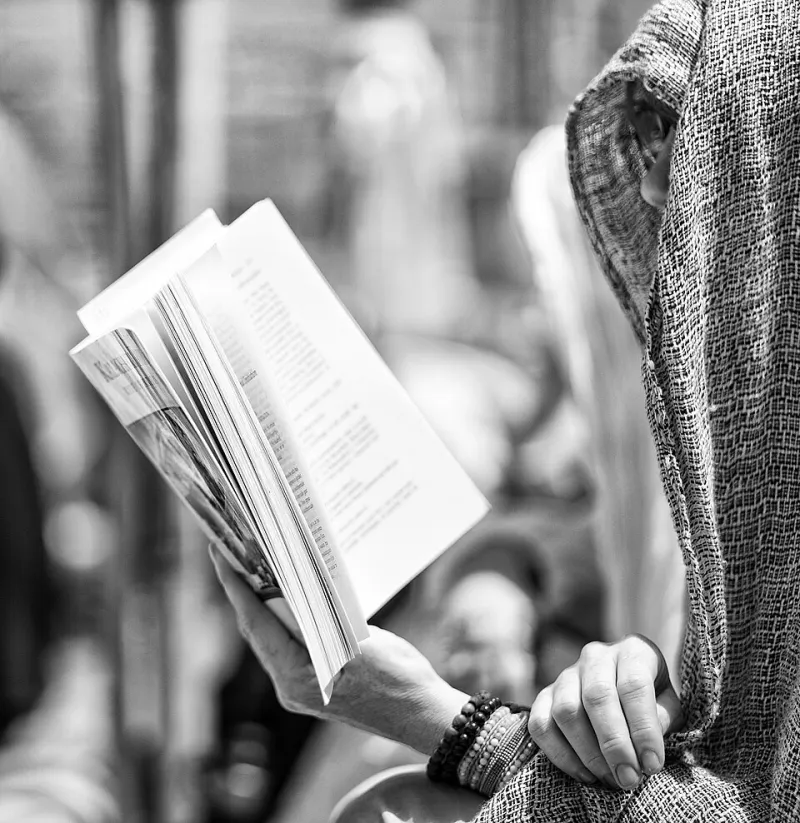
Photo: Christopher Michel, CC BY 2.0, via Wikimedia Commons
The Book in Your Bag Was Never Just a Book
I used to think I brought books into the woods to escape. A paperback stuffed into a daypack, a little rectangle of somewhere else tucked between the water bottle and the sunscreen. It felt like cheating, honestly — like I wasn't fully committing to the trees, the trail, the whole being present thing everyone keeps talking about.
But somewhere between a creek crossing in the Blue Ridge and a wind-scraped afternoon on a California beach, I started to notice something. The books I read outside weren't pulling me away from where I was. They were pulling me deeper into it. The solitude wasn't a backdrop. It was a participant.
That's the thing nobody really talks about when they talk about reading. The room you're in matters. The silence — or the particular kind of noise — matters enormously. And when that room is a forest, a shoreline, a high meadow in August with the grasses going gold, the words on the page start to do something different inside you.
Loneliness Has More Than One Shape
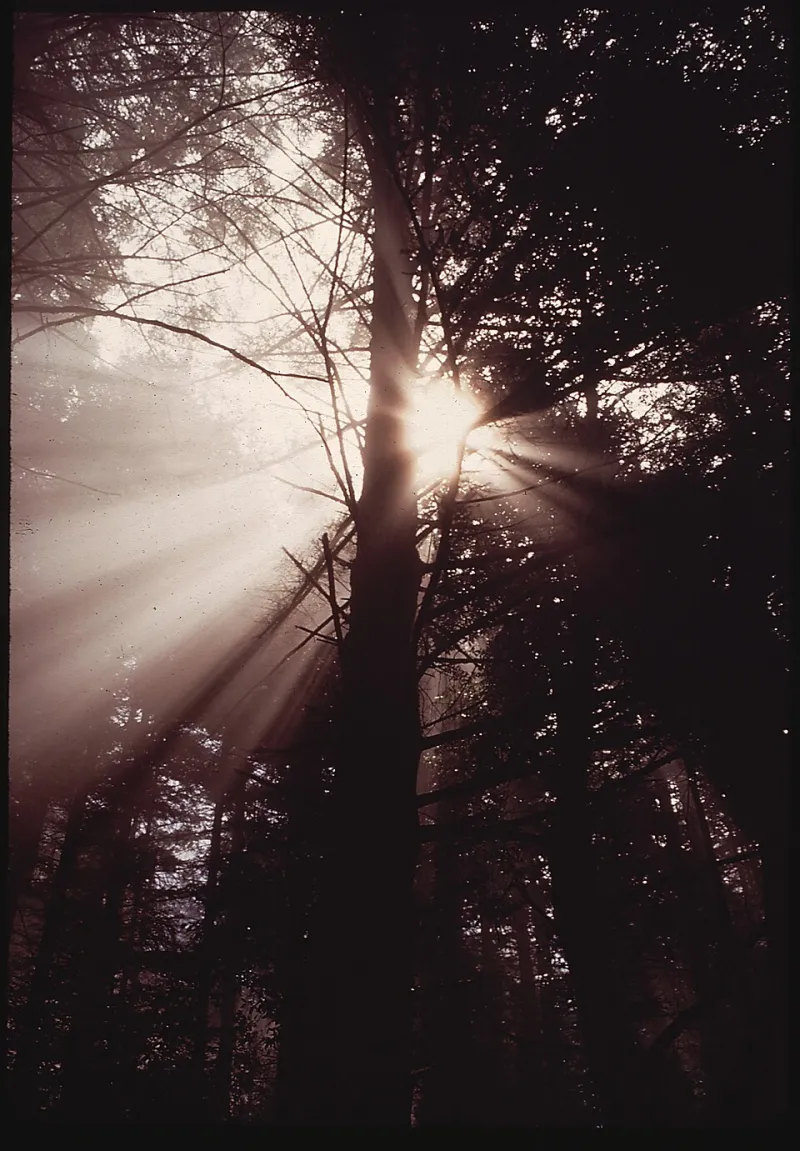
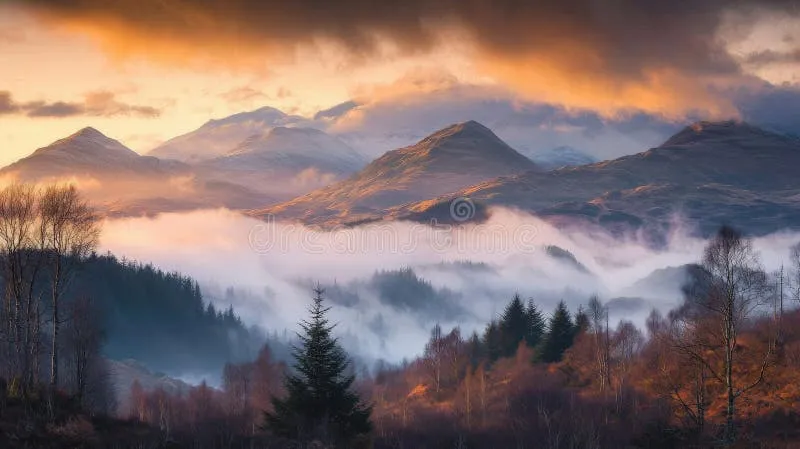
There's the loneliness you feel in a crowded apartment building where you don't know your neighbors' names. There's the loneliness of a Sunday afternoon that stretches too long. And then there's the loneliness you find at the edge of a lake in the Adirondacks at six in the morning, with the mist still sitting on the water and a loon calling out somewhere you can't see.
That last kind doesn't feel like a wound. It feels like a window.
When you're alone in a natural setting — really alone, not just physically separated from other people, but mentally unwound from the noise of your regular life — something in your interior landscape shifts. The usual chatter quiets. The to-do list loses its grip. And in that opened-up space, the words you read start to land differently. They hit closer to the bone.
I've reread the same paragraph three times in a coffee shop and understood nothing. I've read a single sentence sitting on a granite outcrop in the Cascades and felt it rearrange something in me permanently. The place you're in when you read is doing invisible work on your comprehension — not just of the text, but of yourself.
A Conversation with Three Voices
Here's what I've come to believe: reading outdoors is a three-way conversation. There's the author, who wrote the words in some other time and place. There's you, the reader, bringing all your history and half-formed feelings to the page. And then there's the landscape, which has its own language — wind, light, birdsong, the smell of pine resin or salt air or rain coming — and that language keeps interrupting, keeps adding its own commentary.
Sometimes the interruption is obvious. You're reading a passage about grief and a hawk circles overhead, slow and unhurried, and suddenly the metaphor lands in a way it never would have in a fluorescent-lit waiting room. Other times it's subtler — the rhythm of waves quietly syncing with the rhythm of a sentence, so that by the time you reach the period you've absorbed something you couldn't have named.
Nature, it turns out, is an excellent editor. It strips away the performative layer of reading — the part where you're reading to seem like someone who reads — and leaves you with something rawer and more real.
The Paradox of Feeling Found When You're Alone
There's a paradox at the center of all of this that I keep circling back to. The times I've felt least alone in my life have often been the times when I was most physically isolated. A hammock strung between two pines in Vermont, a dog-eared novel open on my chest, the afternoon light going amber through the leaves. No cell service. No one expecting me anywhere. Just me and the book and the trees.
And I felt accompanied. Genuinely, deeply accompanied.
Part of it is the book, obviously — you're in the presence of another mind when you read, someone who sat down and tried to tell the truth about something. But part of it is the wilderness itself. Old-growth forests and open coastlines and mountain ridgelines have a kind of presence that is almost impossible to describe without sounding unhinged. They've been here longer than language. They'll be here after. And somehow that continuity — that vast, patient, indifferent endurance — makes your own small loneliness feel less like a flaw and more like a feature.
You are not broken because you are alone. You are, in fact, in excellent company.
What You Learn About Your Own Voice
One of the stranger gifts of reading in solitude — real solitude, outside, surrounded by the non-human world — is what it teaches you about your own inner voice. The one that narrates your life to you. The one that's been talking since you were a kid and hasn't really stopped.
When you read a beautiful sentence in a quiet place, something happens to that inner voice. It gets a little cleaner. A little more honest. You notice the gap between the language you use to describe your experience and the experience itself. You notice the places where you've been fuzzy, or evasive, or just lazy with your own story.
Nature has no patience for vagueness. A thunderstorm over the Smoky Mountains is not a metaphor — it's a thunderstorm. The cold of a mountain stream on your feet in July is not symbolic — it's just cold, and real, and immediate. That kind of realness rubs off on your reading. And your reading, in turn, rubs off on how you understand what's happening inside you.
I've come home from solo reading afternoons with more clarity about my own life than I've gotten from hours of journaling. Something about the combination — the solitude, the natural setting, the act of encountering someone else's carefully chosen words — creates conditions where self-knowledge becomes almost unavoidable.
Go Somewhere Without Wi-Fi and Bring Something Worth Reading
I'm not going to tell you which book to bring. That's between you and wherever you are in your life right now. But I will say this: whatever you've been meaning to read, whatever's been sitting on your nightstand waiting for a quiet moment — that book deserves better than a quiet moment. It deserves a whole quiet afternoon, outside, somewhere that smells like earth and air.
Bring it to a park bench at the edge of a meadow. Bring it to the beach on a Tuesday when the crowds are gone. Bring it to a trail you know well enough that you don't have to think too hard about your feet. Find a spot that feels a little removed from the ordinary machinery of your life, sit down, and open to the first page.
The trees won't say anything. The wind will do what it does. And somewhere in the space between the words on the page and the world around you, you might just hear something you've been trying to say to yourself for a very long time.