You Are a Season: Learning to Live in Rhythm with Yourself
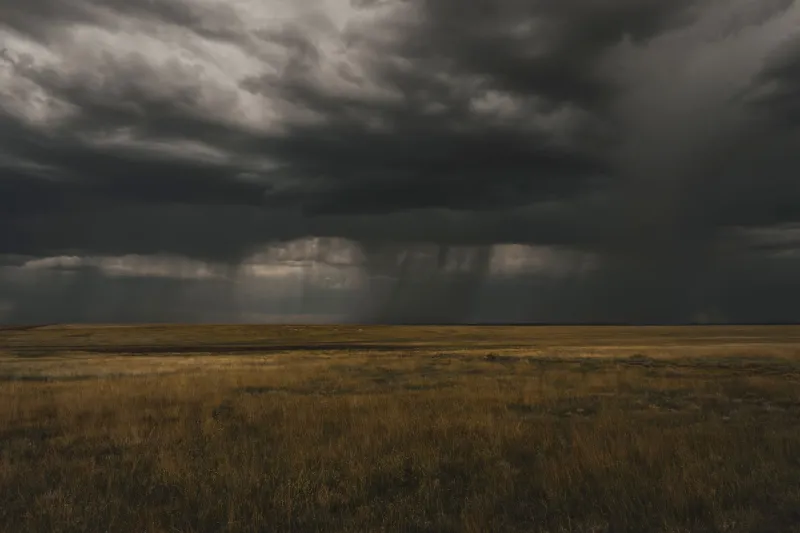
Somewhere around mid-February, I stopped fighting the gray.
I'd spent most of January white-knuckling through my to-do list, convinced that the sluggishness I felt was laziness in disguise. My productivity apps were full of unchecked boxes. My journal entries read like apologies. Why can't I just focus? Why does everything feel like moving through wet cement?
Then I looked out the window. The oak tree in my backyard — the one I'd watched lose every single leaf back in October without a shred of guilt — was just standing there. Bare. Still. Completely unbothered.
And I thought: that tree is not failing. That tree is February.
Maybe I was too.
The Lie of the Flat Line
We live in a culture that quietly insists on consistency. Show up the same way every day. Hit your numbers every quarter. Be your best self on a Monday morning and a Friday afternoon and every unremarkable Wednesday in between. It's a seductive idea — the notion that peak performance is something you can sustain indefinitely if you just optimize hard enough.
But nature has never once agreed with that premise.
Every ecosystem on earth runs on rhythm. Tides rise and fall. Bears fatten up and then disappear for months. Wildflowers along the Blue Ridge Parkway bloom for a few dazzling weeks and then go to seed, their whole existence shaped by timing rather than constant output. The natural world isn't erratic — it's cyclical. And there's a profound difference between those two things.
The trouble is, most of us were never taught to read our own cycles. We learned to read clocks instead.
Spring: The Season of Urgency That Scares You a Little
You know that feeling in early spring when you suddenly want to rearrange every room in your house, start three new projects, and also maybe train for a half marathon? That's not restlessness. That's your inner spring arriving.
Spring in the natural world is almost frantic in its energy. Seeds that have been waiting underground for months suddenly crack open. Birds that flew thousands of miles to get back here are already building nests before the last frost has cleared. There's an urgency to it — a biological now or never — that can feel overwhelming if you don't recognize it for what it is.
When your own spring season hits, the instinct is often to rein it in. To be practical. To make a sensible plan instead of following the wild pull of new ideas. But spring isn't asking for a sensible plan. It's asking you to plant something. Even if you're not sure it'll grow.
This is the season to say yes to the things that scare you a little. To start before you're ready. To let yourself be a little unruly.
Summer: The Long, Abundant Middle
Summer is the season that looks the most like what productivity culture is selling. Long days. Visible growth. Everything lush and generous and full.
But here's what gets missed about summer: it is also the season of maintenance. Of tending. The garden doesn't grow itself just because conditions are favorable — it needs water, weeding, attention. Summer abundance isn't passive. It's the result of showing up consistently for something you already planted.
When you're in a personal summer — when a project is alive and moving, when a relationship is rich and reciprocal, when work feels meaningful and energizing — this is the time to be present for it. Not to start something new. Not to pivot. To tend.
Summer is also the season most people burn out in, precisely because it looks like the time to do everything. But even in the height of July, the sun still sets. Even the most productive ecosystems have a rhythm of activity and rest built into every single day.
Autumn: The Radical Act of Letting Things Go
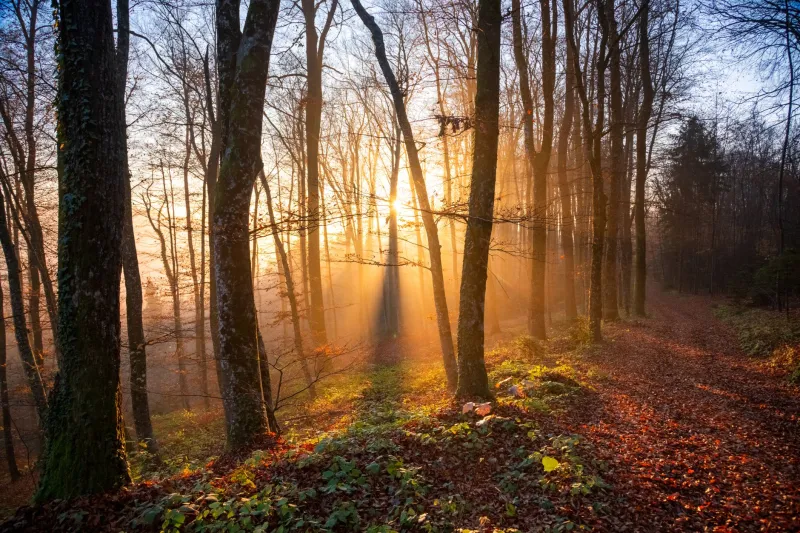
I used to find autumn melancholy. All that dying, all that loss. But the more I've paid attention to it — really watched what happens in the woods behind my house from September through November — the more I've come to see it as the most intentional season of all.
Trees don't lose their leaves by accident. They release them, drawing nutrients back into the trunk before the leaf detaches. It's an act of intelligent conservation. The tree knows that holding on to everything it grew over the summer would cost it more energy than it has to spare.
Your own autumn looks like this: finishing things. Closing tabs, literally and figuratively. Letting relationships that have run their course drop away without drama. Saying no to the things that were right for your summer but no longer fit. Harvesting what was good and releasing the rest.
This is hard for most of us because we've been taught that letting go is giving up. But the oak tree isn't giving up. It's getting ready.
Winter: The Season We've Been Told to Skip
Winter is where I think we get it most wrong.
In the natural world, winter is not absence. It's underground work. Roots deepening. Nutrients cycling through soil. Seeds waiting in cold darkness for conditions that don't exist yet. The meadow that looks dead in January is doing something essential that the meadow in July gets all the credit for.
When we hit our own winters — the slow periods, the fallow stretches, the seasons when nothing seems to be happening — we panic. We add more. We hustle harder. We treat dormancy like a problem to solve instead of a process to trust.
But some of the most important inner work happens in the quiet. The ideas that will define your next spring are often forming right now, in the stillness you keep trying to escape.
Winter asks one thing of you: rest without guilt. Reflect without pressure. Trust that the ground is working even when you can't see it.
Finding Your Season Right Now
Here's a simple question worth sitting with: What season am I actually in?
Not the calendar season. Not the season your boss wants you to be in, or the one your Instagram feed suggests you should be living. Your real, internal season.
Maybe you've been trying to perform summer when your whole being is crying out for winter. Maybe you've been white-knuckling through a self-imposed dormancy when spring is right there, ready, waiting for you to say yes.
The goal isn't to manufacture the right season. It's to recognize the one you're already in — and stop fighting it.
Nature never apologizes for its timing. The lilac doesn't bloom in November to prove a point. The creek doesn't freeze in July just because it's inconvenient. There's a kind of quiet authority in that. A trust in the cycle that we, with all our calendars and productivity systems and self-optimization podcasts, have largely forgotten how to feel.
You are not a machine running the same program every day. You are something far more interesting than that.
You are a season. And right now, wherever you are in the cycle, that's exactly where you're supposed to be.